Sellers on the windward and leeward sides of the islands often overlook how quickly tropical growth can choke out natural light and hide architectural lines. When you want to sell Hawaii home fast, your property’s first impression starts at the curb, long before a buyer steps through the front door. An overgrown yard does more than look untidy, it signals high maintenance costs and hidden structural issues to prospective buyers. Spending thousands of dollars on the wrong landscaping upgrades right before listing is a common pitfall that active buyers spot instantly.
The Illusion of the Tropical Jungle
Many homeowners believe that a dense, wild canopy of monstera, traveler’s palms, and sprawling bougainvillea creates a desirable resort feel. In reality, buyers viewing a property see a weekend of hard labor or a massive monthly bill for professional yard care. When people browse listings, they look for clean lines and clear views of the home’s exterior.
An overgrown yard physically blocks the natural light from entering your living spaces, making the interior feel dark and cramped. If a buyer cannot see the structure of the home from the street, they will assume the property has been neglected. This visual clutter can easily stall a sale, contributing to prolonged days on the MLS and forcing you to lower your asking price.
Blocking Ocean Panoramas and Natural Airflow
In Hawaii, buyers pay a premium for views and the natural cooling of the trade winds. When trees are left untrimmed, they block the very sunset panoramas that justify a higher price point. Airflow is equally critical, as homes designed for indoor-outdoor living rely on trade winds to keep utility costs low. Clearing the sightlines and opening up the canopy allows light and air to move freely through the property, which immediately elevates its perceived value.
The Costly Mistake of Planting Invasive or High-Maintenance Species
Sellers often spend thousands of dollars at local nurseries buying fast-growing tropical plants to quickly fill in empty spaces before an open house. This is where the $5,000 mistake happens. Planting species like running bamboo, aggressive varieties of ginger, or large traveler’s palms too close to the foundation is a major red flag for experienced buyers.
These plants have invasive root systems that can crack concrete walkways, disrupt plumbing lines, and damage septic systems or cesspools. When savvy buyers or home inspectors see these plants, they immediately calculate the future cost of removal and repair. Instead of adding value, these hasty additions become a liability that can derail a transaction during escrow.
If you are planning your pre-listing budget, it is critical to understand how landscaping costs impact home buyers during their evaluation. To avoid these expensive errors and ensure your property is positioned correctly, you can request a professional evaluation of your property’s current market readiness through our home selling resources.
Lava Rock and Soil Drainage Issues
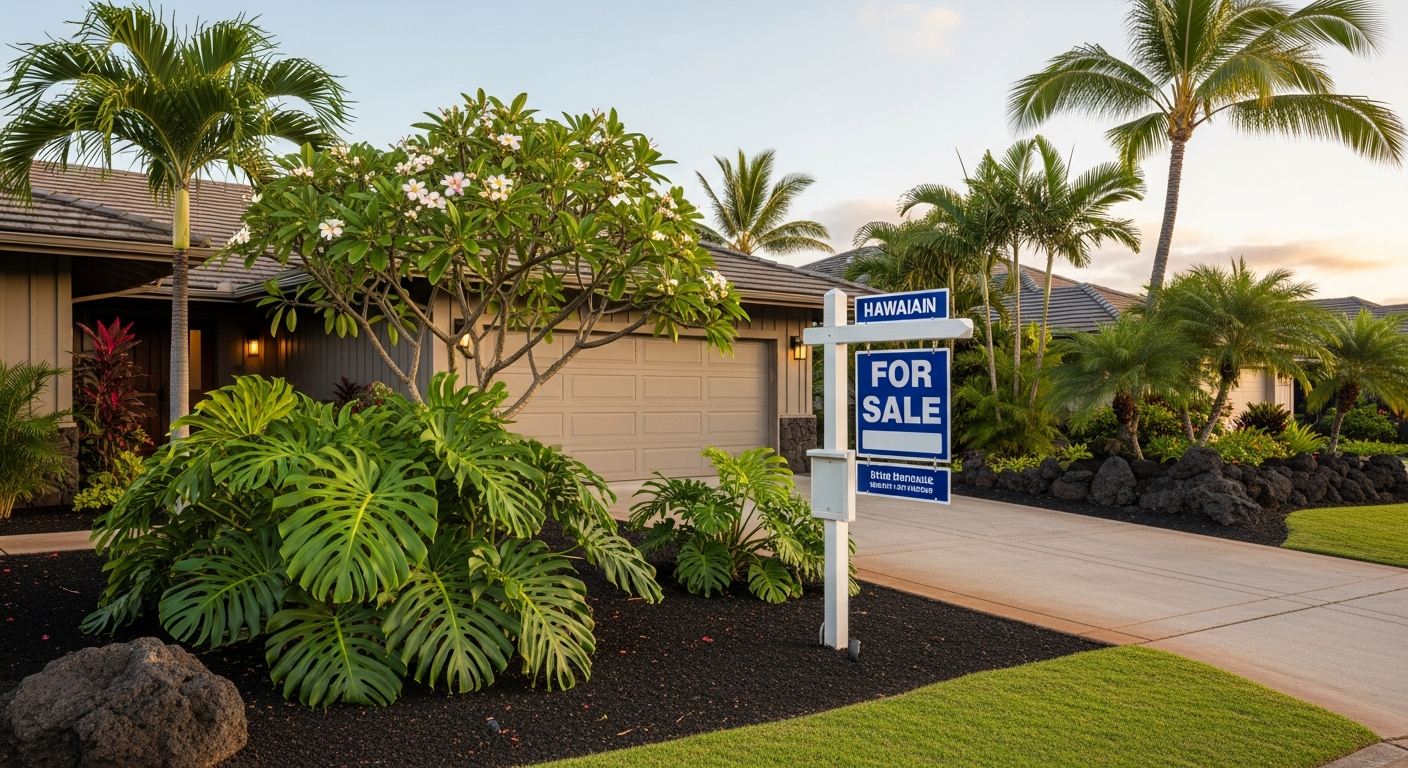
Hawaii’s volcanic soil and basalt rock formations require specific drainage considerations. Piling heavy soil or mulch against lava rock retaining walls or directly against the home’s siding traps moisture and invites termites. Buyers look for a clear gap between the soil line and the home’s foundation. Using local black cinder or small basalt gravel instead of heavy organic mulch near the structure keeps the area dry, clean, and visually striking.
Where to Spend Your Landscaping Budget for Maximum Return
To attract serious buyers and secure a timely offer, your exterior prep should focus on subtraction rather than addition. The goal is to define the boundaries of your yard and highlight the architecture of the home.
Start by pruning all mature trees up to at least six feet from the ground to open up the view underneath the canopy. Replace patchy, weed-choked grass with fresh sod or low-water ground cover that thrives in your specific microclimate. Use native plants like red or green ti leaves, crotons, and hibiscus to add pops of color without creating a maintenance headache.
These native species are highly resilient, require minimal water once established, and are deeply familiar to local buyers. Frame these plantings with clean, defined borders using local volcanic rock to create a structured, high-end look. This approach respects the local environment while presenting a clean canvas that allows buyers to focus on the home itself.
Preparing for the First Open House
The final touch before your first showing is clearing all debris, fallen coconuts, and palm fronds from the yard and walkways. Pressure wash the driveway, concrete paths, and lava rock walls to remove mold and mildew that quickly accumulates in humid climates.
Ensure that all outdoor lighting fixtures are clean and functioning, as twilight showings are highly popular for high-end properties. A clean, well-lit exterior signals to buyers that the home has been cared for with the utmost respect. This level of preparation is what separates a home that sits on the market from one that receives multiple competitive offers during the first week of showings.
Aligning your property’s presentation with local pricing trends and buyer expectations is the key to a successful sale. When the exterior of your home is clean, open, and framed by native landscaping, buyers can easily envision their new lifestyle on the islands.
Preparing your home’s exterior correctly is one of the fastest ways to increase its market value and attract serious offers. If you are ready to list your property and want to avoid costly pre-market mistakes, our team is here to help you prepare every detail. Visit our home selling portal to connect with a local expert and schedule a walkthrough of your property today.