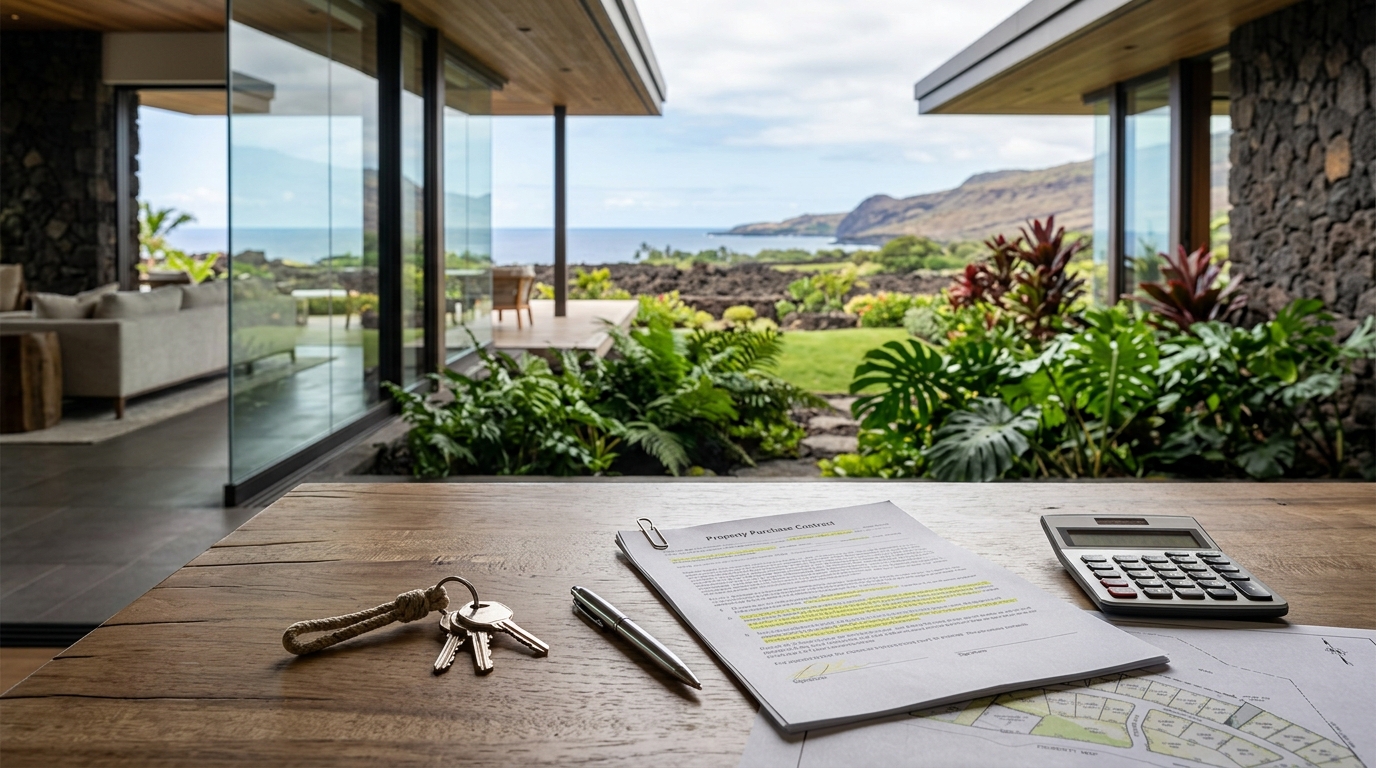
When recent comparable sales trail rising prices, an appraisal gap guarantee clause gives a buyer the contractual power to win a competitive property without handing the seller an open-ended financial blank check. Appraisers look backward at closed transactions, but market value moves in real time based on active buyer competition. A poorly worded guarantee puts your liquid reserves at risk if the valuation comes in drastically low.
Why Comparable Sales Lag True Market Value
Real estate appraisals rely on historical closed data from the past three to six months. In competitive submarkets or neighborhoods where unique properties trade infrequently, closed comps rarely reflect what buyers are willing to pay today. If three buyers submit offers above the listing price on the first weekend, the winning bid sets a new benchmark that historical appraisals cannot immediately support.
Lenders calculate loan-to-value ratios based on the lower of two numbers: the agreed purchase price or the appraised value. When an appraisal falls short, the bank will not increase loan proceeds to cover the shortfall. The buyer must either cover the difference in cash, renegotiate terms with the seller, or terminate the purchase under the appraisal contingency. Understanding how this shortfall interacts with your lender guidelines is as critical as evaluating jumbo loan purchasing power before you enter negotiations.
The Mechanics of an Appraisal Gap Guarantee Clause
A full waiver of the appraisal contingency forces a buyer to bring whatever cash is required to close, regardless of how low the appraisal lands. In contrast, an appraisal gap guarantee clause establishes a specific, predetermined dollar cap on the buyer cash contribution. It tells the seller that you will absorb a valuation deficit up to a certain dollar figure, but preserves your right to cancel or renegotiate if the gap exceeds that threshold.
This structure changes the psychology of the negotiation. Sellers prefer cash-backed guarantees because low appraisals disrupt escrows and delay closings. By spelling out an exact dollar limit, you show serious financial backing while protecting your portfolio from extreme valuation deviations. If you are preparing to submit offers in tight markets, review our resources for private property acquisition to evaluate your terms before drafting an addendum.
Three Tactical Ways to Cap Your Capital Exposure
There are three primary structures used to cap buyer liability in purchase contracts. Each provides a different balance of seller appeal and buyer financial protection.
-
Fixed Dollar Cap: The buyer agrees to cover an appraisal shortfall up to a specific sum, such as $25,000 or $50,000 above the appraised value, not to exceed the original purchase price. If the property appraises $75,000 short, the buyer brings the agreed $50,000, and the parties renegotiate or cancel over the remaining $25,000.
-
Floor Valuation Minimum: The buyer guarantees the purchase price provided the property appraises at or above a specific bottom-line figure. For example, on a $1,500,000 purchase price, the contract states the buyer proceeds without adjustment as long as the appraisal meets or exceeds $1,425,000.
-
Down Payment Restructuring Clause: Rather than bringing additional liquid cash, the buyer reserves the right to shift money between the down payment and loan balance. A buyer planning a 30 percent down payment can absorb a moderate shortfall by shifting to an 80 percent loan-to-value loan structure, keeping total out-of-pocket cash identical.
Careless contract drafting can create unintended default risks. A clause must clearly articulate which party retains the option to cancel if the gap exceeds the guarantee. Without specific wording, the contract can lock the buyer into an expensive escrow dispute, similar to the underwriting bottlenecks explained in our review of mortgage preapproval issues during escrow.
Sample Language Options for Purchase Contracts
Clean contract terms prevent disputes between buyer, seller, and escrow officers. Here is an example of capped guarantee language:
“Buyer and Seller agree that should the appraised value come in below the Purchase Price of $1,200,000, Buyer agrees to pay up to, but not to exceed, $40,000 in cash above the appraised value toward the purchase price. In no event shall the total purchase price paid by Buyer exceed $1,200,000. Should the gap between the appraised value and Purchase Price exceed $40,000, Buyer and Seller shall have three business days to negotiate mutually agreeable terms. If no agreement is reached, Buyer may terminate this agreement and receive a full refund of the earnest money deposit.”
Notice that this language clearly defines the dollar limit, sets a deadline for mutual resolution, and explicitly protects the earnest money deposit. It eliminates ambiguity and sets precise boundaries for the escrow team.
Common Drafting Pitfalls to Avoid
The most frequent mistake is omitting the earnest money protection trigger. If the appraisal comes in $100,000 below contract on a $30,000 guarantee, who has the unilateral right to cancel? If the clause only states that the parties will negotiate, an impasse could place the buyer deposit into escrow dispute.
Another common mistake involves misunderstanding the appraisal order timeline. Lenders frequently schedule appraisals three to four weeks into escrow. In markets where property values move quickly or where sellers risk holding expenses, waiting that long creates unnecessary tension. As detailed in our analysis of why overpricing costs sellers time, transaction friction increases every week an asset lingers under contingent status.
Always verify with your lender that your liquid assets satisfy reserve requirements alongside any potential gap cash. Lenders require proof of funds for down payments, closing costs, post-closing liquid reserves, and appraisal gap guarantees. Liquid capital cannot be counted twice.
Secure Competitive Terms Without Financial Risk
Winning a desirable property when inventory is tight requires strong contract terms, but strength should never come at the expense of fiscal discipline. A properly framed gap clause gives sellers the closing certainty they demand while keeping a firm ceiling on your liquid capital outlay. Explore our personalized guidance for targeted property acquisitions to structure competitive offers that protect your balance sheet on every transaction.