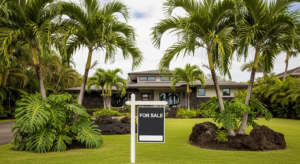
Sellers who deliberately list their properties above market value almost always believe they can simply test the waters and lower the price later. This approach to overpricing a home ignores the psychological mechanics of modern buyers and the algorithms that govern listing portals. When you price a property too high, you are not leaving room for negotiation. You are actively signaling to qualified buyers that they should look elsewhere.
How Overpricing a Home Stigmatizes Your Listing
The first two weeks on the market represent your property’s highest level of exposure. During this window, automated email alerts notify active buyers, and real estate professionals review new inventory for their clients. When a home enters the market with an unrealistic price tag, this initial wave of high-intent buyers quickly moves on to more realistically priced alternatives.
Once that initial window closes, your listing begins to accumulate days on market. In real estate, time is currency. Even in active markets, sitting on the MLS for just a couple of weeks can trigger buyer suspicion. Understanding how quickly a listing loses traction on the MLS is critical because the initial surge of buyer attention cannot be replicated. When a home lingers, buyers do not assume the seller is ambitious. They assume there is a physical or structural defect with the property.
This psychological shift changes how buyers view your home. Instead of competing to purchase a desirable new listing, they wait for you to become desperate. The longer the property sits, the less appealing it becomes, regardless of its actual condition or features.
The Real Financial Cost of Price Reductions
To prevent this downward spiral, smart sellers start with a precise, data-driven analysis of their property’s true market value. You can request a professional real-time home valuation to establish a competitive baseline before your property ever hits the open market. Starting with an accurate price preserves your listing’s freshness and keeps you in a position of strength.
When you are forced to make a price reduction, you are playing defense. A price cut is public data, and it signals to the market that your initial pricing model failed. Instead of attracting full-price offers at the new, lower number, a price reduction often invites lowball offers. Buyers recognize that you are carrying a stale listing and will test your limits to see how low you are willing to go.
Additionally, every week your home remains unsold represents real money leaving your pocket. Carrying costs, including mortgage payments, property taxes, homeowner association dues, insurance, and basic maintenance, accumulate quickly. A seller who holds out for three months to get a slightly higher price often loses more in monthly carrying costs than they would have by pricing correctly on day one.
Why Overpricing Drives Away Your Target Audience
Modern real estate searches are highly digitized and rely on strict price filters. If a buyer has a hard budget of $1.5 million, their search parameters are likely set to show homes priced up to that exact amount. If your home is realistically worth $1.45 million but you list it at $1.55 million to leave room for negotiation, your target audience will never see it.
This search bracket mismatch is a primary driver of failed listings. We see this play out constantly when analyzing pricing dynamics in competitive luxury markets, where buyers are highly educated and sensitive to even minor discrepancies in value. Instead of capturing the attention of qualified buyers who would appreciate your home’s actual worth, you are competing with superior properties that genuinely justify the higher price point.
When compared to homes that are truly worth the inflated price, your property will inevitably suffer. Buyers who tour your home in that higher bracket will note the smaller lot size, older finishes, or lack of amenities compared to its peers. You end up using your home to sell your neighbors’ correctly priced properties.
Comparing the Two Pricing Paths
The financial outcome of your sale is determined by the trajectory you establish in the first week. A property priced at fair market value creates urgency, which can lead to multiple offers and a final sale price that exceeds expectations. An overpriced property follows a predictable downward slope that ends in discounted offers and extended holding costs.
The table below outlines the typical progression of these two distinct pricing methods.
Listing Metric Fair Market Pricing Overpricing Approach Initial Buyer Interest Peak engagement and multiple showings Minimal showings, mostly casual lookers Days on Market Typically under 21 days Often exceeds 60 to 90 days Negotiation Power Seller holds leverage with active buyers Buyer holds leverage as listing grows stale Carrying Costs Minimal (1 month or less) High (multiple months of holding costs) Final Sale Price Close to or at full asking value Frequently 5% to 10% below market value
Pricing your property correctly from day one is the single most effective way to protect your equity and secure a clean sale. When you avoid the trap of overpricing a home, you maintain control of the transaction and force buyers to compete for your property. To ensure your listing is positioned for maximum return, request a professional home valuation today and get a clear, realistic assessment of your property’s market position.