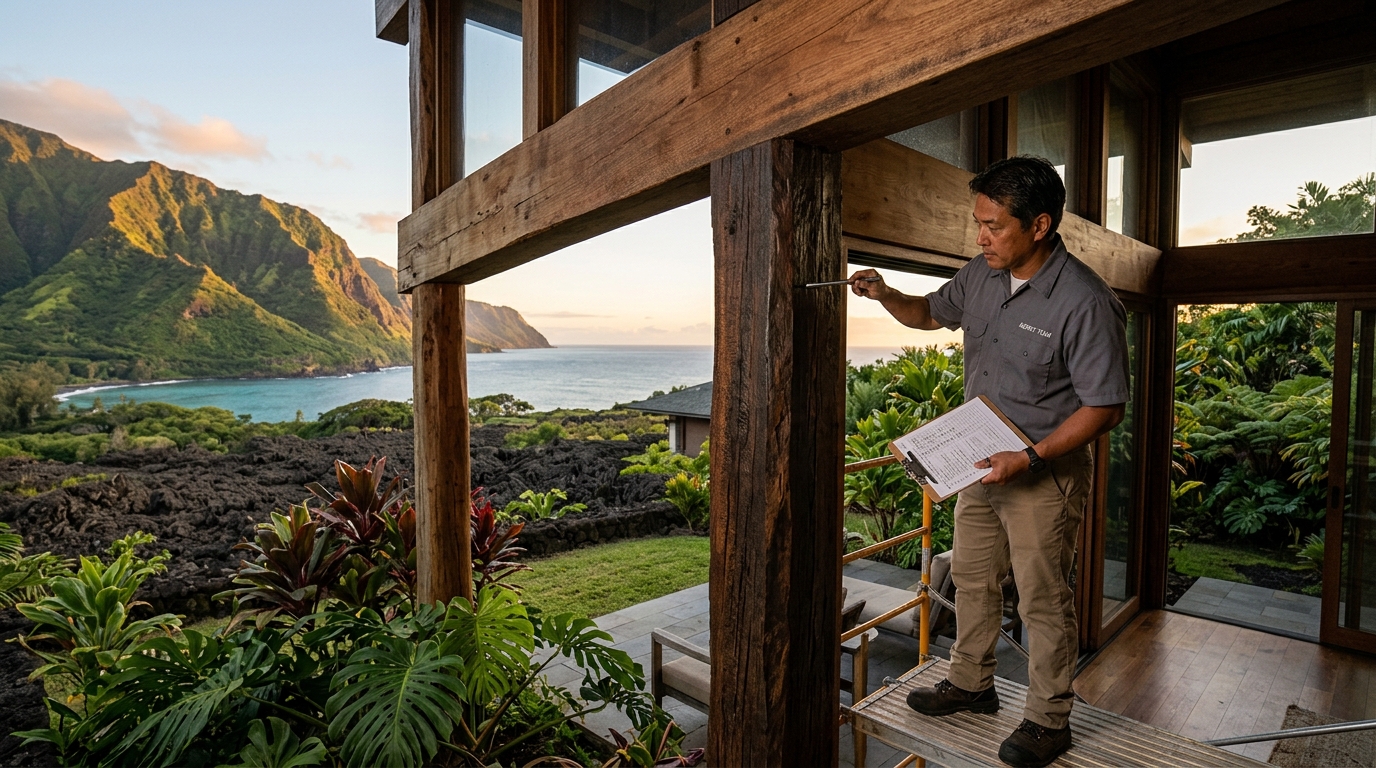
A buyer who discovers live wood-destroying insects during their contractual inspection window holds total leverage over your transaction timeline. When structural pest issues surface after an offer is accepted, buyers routinely demand inflated credits, emergency tenting, or price reductions that cut directly into your bottom line. Ordering a pre listing termite inspection eliminates these surprises, giving you the power to handle pest treatments and structural wood repairs on your own schedule before your home ever enters escrow.
How Pest Discoveries During Escrow Derail Real Estate Transactions
Standard purchase contracts give buyers a formal contingency period to evaluate property condition. If pest evidence appears during that short window, standard lending rules can bring the entire transaction to a sudden halt. Conventional and government-backed lenders frequently refuse to fund a mortgage until all active infestations are resolved and damaged framing receives an official clearance.
When an active colony is flagged mid-escrow, the seller is suddenly forced to coordinate pest control companies, structural contractors, and appraiser reinspections within days. If fumigation is required, scheduling delays easily push past the agreed closing date. A closing delay ripples into rate-lock expirations for the buyer, giving them legal grounds to cancel the purchase contract or demand substantial cash concessions.
Beyond lender mandates, discovery of pest activity triggers emotional distress for buyers. Even minor drywood frass or old subterranean tunnels can make an otherwise solid structure feel compromised to an anxious purchaser. When buyers lose confidence during contract negotiations, they renegotiate aggressively, which leads to why overpricing a home costs sellers more when an initial transaction falls apart and the property returns to active status.
The Financial Advantage of Inspecting Before You List
Uncovering wood damage before entering the open market shifts pricing control back to you. When you discover an issue prior to listing, you have adequate time to gather multiple competitive bids from licensed pest control operators and carpentry contractors. You control which company does the work, what method they use, and how much you pay.
In contrast, resolving an issue while under contract forces you to accept whichever contractor has immediate availability, regardless of cost. Buyers often insist on using their own preferred contractors, whose bids routinely run significantly higher than market averages. In many transactions, buyers ask for a direct seller credit that far exceeds the actual cash cost of the required structural repair.
Addressing these maintenance items early protects the momentum established during the opening weeks of your sale. Securing clean clearance paperwork early preserves buyer interest when activity peaks, avoiding the extended delays that drain momentum during the crucial first fourteen days on the market. If you want to calculate your potential walkaway proceeds with repair expenses accounted for ahead of time, check your current equity through our home valuation estimate.
Drywood Versus Subterranean Infestations in Residential Sales
Pest inspectors look for two primary categories of wood-destroying insects, and each requires a different operational approach. Drywood termites establish colonies directly inside structural framing, fascia boards, trim, and roof rafters. They leave behind small fecal pellets and hollowed wood cavities, often requiring localized spot treatments or complete whole-structure fumigation depending on the extent of the spread.
Subterranean termites live below ground and build mud tubes along foundation walls, crawl spaces, and plumbing penetrations to reach wooden sills. Because their colonies originate in the soil, eliminating them requires chemical soil barriers, perimeter baiting systems, or direct trenching treatments. Addressing subterranean colonies early prevents the pest company from having to dig around freshly completed landscaping while buyers are conducting final walk-through inspections.
The structural repair work is just as critical as the chemical treatment. An inspector does not just look for live insects; they identify damaged lumber that has lost load-bearing integrity. Replacing decayed exterior eaves, sistering rafters, or replacing fascia before painting ensures that your home presents cleanly to both prospective buyers and future appraisers.
Using a Pre Listing Termite Inspection to Strengthen Seller Disclosures
Real estate disclosure laws require property owners to reveal all known material defects, including any past or present insect activity. Attempting to conceal prior damage or hoping an inspector will miss an active swarm creates severe legal liability long after title transfers. Completing an evaluation ahead of time allows you to document the problem and prove the resolution in the same disclosure packet.
When you present an initial clearance alongside a paid invoice and a transferable warranty, you convert a potential red flag into proof of responsible homeownership. Buyers cannot use the existence of past pest activity to chisel down your price because you have already eliminated the issue and provided proof from a licensed technician. This transparency eliminates friction during contract negotiations and builds immediate trust with serious buyers.
Pre-listing documentation also helps during administrative underwriting reviews. Just as title officers clear encumbrances during the escrow title search process before transferring ownership, having a complete pest history ready prevents lender underwriters from placing last-minute conditions on loan documents.
Steps to Order and Manage Your Pre-Sale Pest Evaluation
Executing an early inspection requires a systematic approach to ensure the documentation satisfies future buyer lenders. Follow these steps before placing your home on the market:
-
Hire an independent licensed operator: Select a reputable structural pest control company that specializes in real estate transactions rather than general household pest maintenance.
-
Provide full property access: Clear out personal belongings from attic access points, crawlspace openings, exterior perimeter walls, and utility closets so the inspector can examine all structural wood.
-
Review the clearance documentation: Carefully examine the findings, noting the difference between active infestation evidence, past damage, and conditions conducive to future colonies like soil-to-wood contact.
-
Complete necessary eradication: Schedule fumigation tenting or targeted chemical treatments immediately so all re-entry wait periods and follow-up checks are done before photography.
-
Execute structural repairs: Hire a licensed contractor to replace or reinforce any wood members that have suffered structural degradation.
-
Secure reinspection paperwork: Have the original pest firm return to inspect the completed carpentry repairs and issue an updated clearance certificate confirming zero active infestation.
Completing these steps prior to listing removes one of the most volatile variables in residential real estate. You avoid stressful emergency contractor bids, prevent closing postponements, and ensure that your net proceeds remain intact from offer acceptance straight through to final funding.
Selling your home requires proactive planning to eliminate contingencies before they threaten your financial outcome. By completing a pre listing termite inspection, you maintain control over repair costs and present a secure property that appraisal underwriters can approve without delay. Discover what your property is worth in today’s market and take the first step toward a smooth transaction with a personalized home valuation assessment.