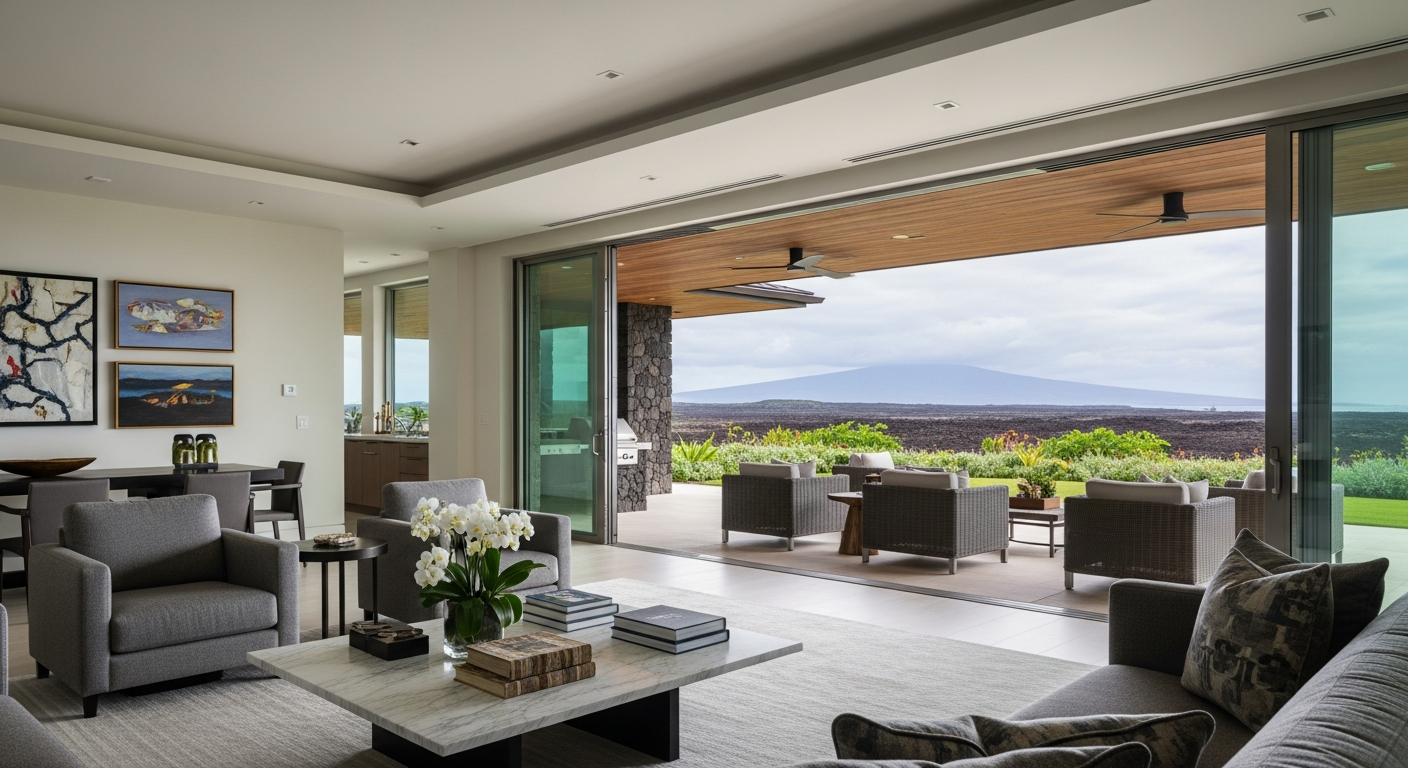
Vacant high-end estates frequently linger on the market longer and sell for less than fully furnished properties. When high-net-worth buyers walk through an empty property, they do not see endless possibilities. Instead, they see spatial echo, cold acoustics, and hard architectural lines that make large rooms feel oddly uninviting. Investing in professional luxury home staging bridges the gap between an impressive structure and an emotional purchase that commands top dollar.
How Vacant Architectural Scale Distorts Buyer Perception
Empty square footage creates an unexpected optical illusion. Without furniture to establish scale, human eyes struggle to gauge room dimensions accurately in high-ceiling structures. A 30-foot great room with 14-foot ceilings can actually look smaller and colder when empty than when properly proportioned with high-end furniture.
High-net-worth buyers purchase emotional sanctuary and lifestyle framing rather than raw construction materials. When a home is empty, buyer focus shifts away from flow and atmosphere toward minor cosmetic flaws. They notice floor seam gaps, drywall patches, or minor paint touch-ups that would otherwise disappear inside a cohesive living space. Combining smart interior presentation with simple bathroom updates before listing keeps buyer focus strictly on the property’s architectural highlights.
Spatial clarity dictates how quickly a buyer visualizes living in the residence. If a prospective purchaser has to spend mental energy figuring out where a dining table belongs or how to arrange seating around a fireplace, the emotional pull vanishes. Professional design teams solve those layout puzzles before the first private showing occurs.
Calculating the Return on Investment for Staging Vacant Properties
Listing agents and luxury sellers often question whether spending tens of thousands of dollars on physical furniture rental and design installation pays off. Market data consistently reveals that professional staging costs a fraction of a home’s first price reduction. On a multi-million dollar property, a single price cut usually ranges from 3% to 5% of the list price, whereas full-property staging rarely exceeds 1% to 1.5% of the listing price.
Properties presented with custom physical furnishings routinely secure higher offers because they generate competition early in the listing period. When multiple buyers register an emotional connection to a property during its initial two weeks on market, sellers retain pricing power. If you want to evaluate how proper preparation impacts your net proceeds, you can request a dedicated analysis through our custom home selling resource.
Delaying staging until after a property sits stagnant on the market costs sellers significantly more money than staging upfront. Chasing a shifting market with price adjustments creates buyer hesitation, leading prospective bidders to assume something is structurally wrong with the home. Understanding why overpricing a home costs sellers more in the end underscores the necessity of launching with sharp presentation on day one.
High-End Staging vs. Virtual Staging in Luxury Markets
Virtual staging has gained popularity in standard residential transactions due to low upfront costs. Digital furniture added to marketing photos helps capture attention during online searches. However, in high-end real estate, virtual staging introduces a dangerous expectation gap during in-person walkthroughs.
When an international or bi-coastal buyer views polished online photography and then steps into a completely vacant estate, disappointment takes hold immediately. The physical walkthrough loses its warmth. Footsteps echo across bare tile or hardwood, and empty rooms feel stark compared to the polished images seen on a screen.
Physical staging maintains continuity from the digital brochure to the private tour. High-value buyers expect high-touch presentation. Authentic art, hand-woven textiles, and custom-scale furniture convey quality that digital rendering cannot replicate. That tactile reality reassures buyers that the property aligns with their personal standards.
Key Areas That Direct High-Net-Worth Buyers to an Offer
Staging an entire estate from wall to wall is not always necessary to achieve maximum financial return. Professional design teams focus energy on impact zones where buyers make emotional decisions.
-
The Great Room and Main Living Space: This area sets the tone for entertaining and everyday living. Furniture scale must match ceiling height and wall length to establish anchor points.
-
The Primary Bedroom Suite: High-net-worth buyers view the primary suite as a private retreat. Dressings should feature crisp linens, plush rugs, and curated seating areas that feel like a luxury boutique hotel.
-
Outdoor Lanais and Patios: Indoor-outdoor living drives luxury real estate decisions. High-end outdoor sectional seating, dining sets, and curated fire features turn lanais into functional extensions of the indoor floor plan.
Exterior spaces require equal attention to detail. Curb appeal and grounds maintenance frame the buyer’s arrival experience. Combining interior design with proactive choices regarding exterior landscaping presentation ensures the entire perimeter reflects premium maintenance standards before buyers set foot inside.
Professional home staging is not an expense; it is a defensive pricing tool that protects seller equity. By eliminating spatial ambiguity and creating an immediate emotional connection, staged properties sell faster and command higher final contract values than vacant listings.
If you are preparing to list a high-end property and want to maximize your contract price, expert market positioning is critical. Connect with our team today through our home seller portal to schedule a walkthrough and review our tailored marketing plans for your estate.