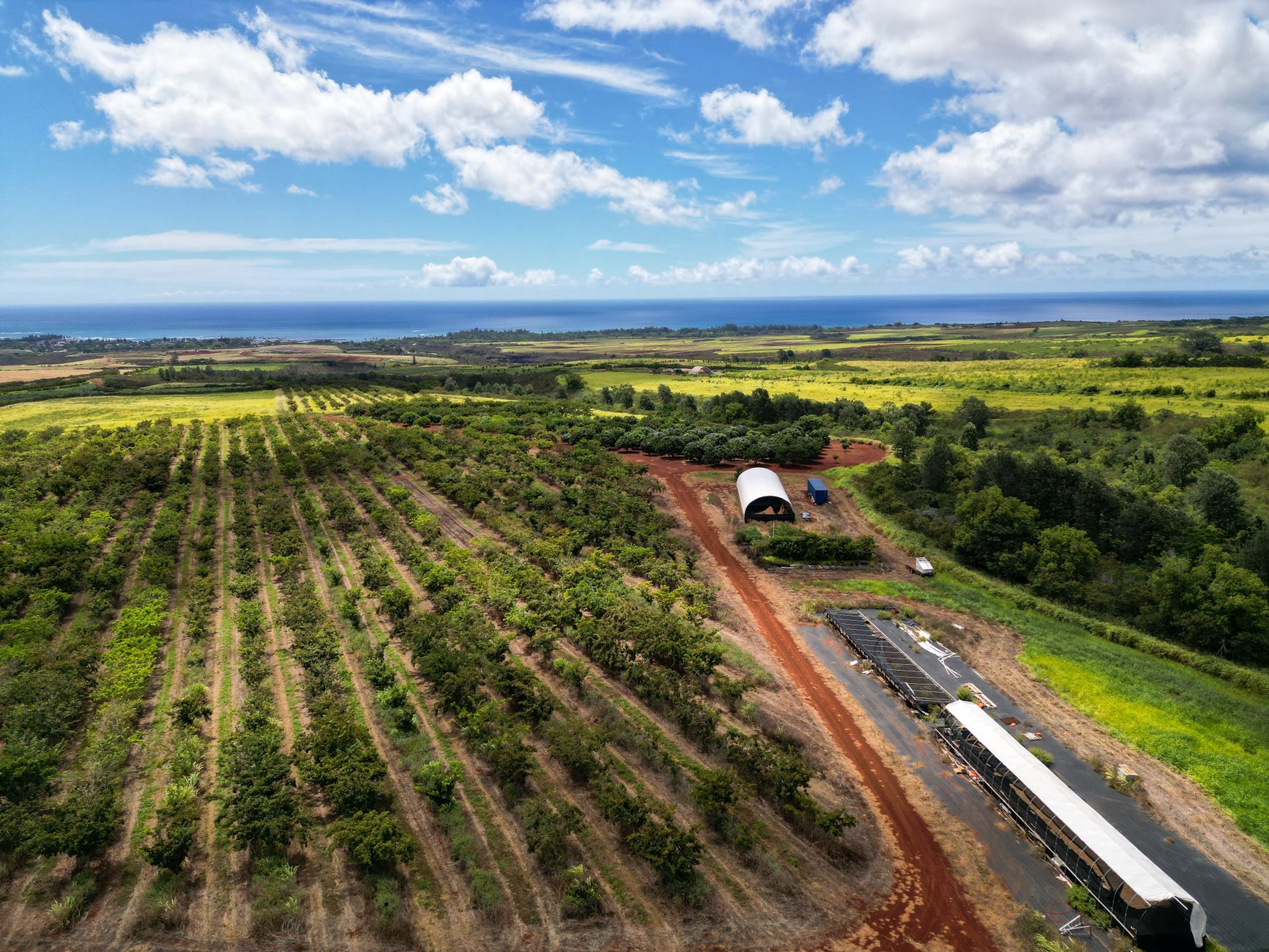
A multi-acre parcel planted in coffee on Hawaii Island can generate thousands of dollars in property taxes every year if the county assesses it at standard market value rather than agricultural use value. The hawaii agricultural tax assessment exists to bridge this gap, reducing property tax burdens for landowners who keep their acreage in dedicated, commercial farming production.
How Agricultural Property Tax Assessments Work in Hawaii
County tax assessors in Hawaii determine property taxes based on fair market value by default. When raw or residential land sells for multi-million dollar sums, standard property tax assessments rise to match those sales figures. For anyone buying acreage, standard residential tax rates can turn holding an estate into an expensive annual commitment.
An agricultural dedication changes how the county views the land. Under an approved agricultural assessment, the taxable value of the farmed land is decoupled from open market real estate prices. Instead, the county values the acreage based purely on its productive agricultural capacity, which lowers the annual property tax bill to a fraction of the residential rate.
The residence on the property remains taxed at the standard residential or improved rate. Only the dedicated acreage actively used for commercial farming receives the agricultural valuation. Understanding this division is critical when you buy Hawaii agricultural real estate with an existing residence and working orchards.
Active Farming Requirements for Coffee Acreage
Qualifying for and retaining agricultural status requires actual farming operations, not just zoning classification. Counties require proof of continuous, commercial agricultural activity to grant and preserve dedicated status. Simply owning zoned land with wild coffee trees does not satisfy county guidelines.
To qualify for and keep dedicated tax status on coffee land, owners generally must demonstrate several operating standards:
-
Minimum tree density: Plantings must meet county spacing guidelines, ensuring the ground is genuinely utilized rather than left fallow.
-
Commercial intent: The operation must produce agricultural output intended for sale, documented through harvest records, processing receipts, or farm income records.
-
Routine maintenance: Orchards must be weeded, pruned, fertilized, and managed against common pests such as the coffee berry borer.
-
Filing deadlines: Dedicated programs require periodic renewal filings and compliance declarations submitted to the county real property tax division.
Failing to maintain active production can trigger a rollback. If an owner neglects the farm or converts the land to non-agricultural private grounds, the county can revoke the dedicated status and assess back taxes along with monetary penalties. For related tax shifts affecting island landowners, review our analysis of Hawaii property tax changes across different property classifications.
Owner-Farmed Versus Farm Lease Agreements
Many buyers acquiring acreage want the property tax benefits of an agricultural assessment without managing day-to-day farm labor. The tax code allows for this flexibility through lease agreements with local farmers and farm management operators.
Under a farm lease agreement, an independent grower manages your coffee trees, handles harvest operations, and maintains agricultural compliance on your dedicated acres. This structure allows the landowner to maintain the required agricultural production while providing an experienced local farmer with productive orchard space.
When purchasing an established estate, reviewing the existing farm lease is as important as reviewing physical property disclosures. The operational agreement should clearly outline who pays for tree care, who holds the harvest yield, and who submits annual compliance filings to the county. If you are examining titles on acreage properties, our overview of the escrow title search process explains how agricultural encumbrances and recorded leases are verified before closing.
Infrastructure, Microclimates, and Environmental Rules
Operating a coffee farm requires suitable elevation, sun exposure, and water infrastructure. Coffee trees thrive primarily along the western slopes of Hawaii Island between 700 and 2,200 feet above sea level, where regular afternoon cloud cover and rich volcanic soil support bean development. These distinct elevation bands create unique conditions across neighboring parcels, similar to how Hawaii microclimates shape cooling requirements in nearby coastal communities.
In addition to climate considerations, buyers must examine utilities and environmental mandates on rural acreage. Many agricultural parcels rely on catchment water systems or county agricultural water lines with specific meter capacities. Furthermore, rural estates must comply with state wastewater regulations, making it essential to understand the Hawaii cesspool conversion law when evaluating existing septic systems on working agricultural land.
Protecting Your Investment on Agricultural Land
An agricultural tax assessment protects your cash flow and makes owning acreage financially sustainable over decades. Maintaining that status demands clear planning, proper lease structures, and ongoing operational compliance from day one.
Whether you plan to farm the land yourself or partner with an established local grower, verifying the current tax dedication status during your due diligence window ensures there are no surprises on your tax bill. When you are ready to evaluate estates and review agricultural properties, connect with our team to view available agricultural properties across the islands.